
Self-reflection is “the deliberate act of considering decisions, actions and outcomes with the intent of learning from them for personal or professional development, improvement and growth”. How reflection actually works is succinctly explained via the action-observation-reflection model or spiral of experience;
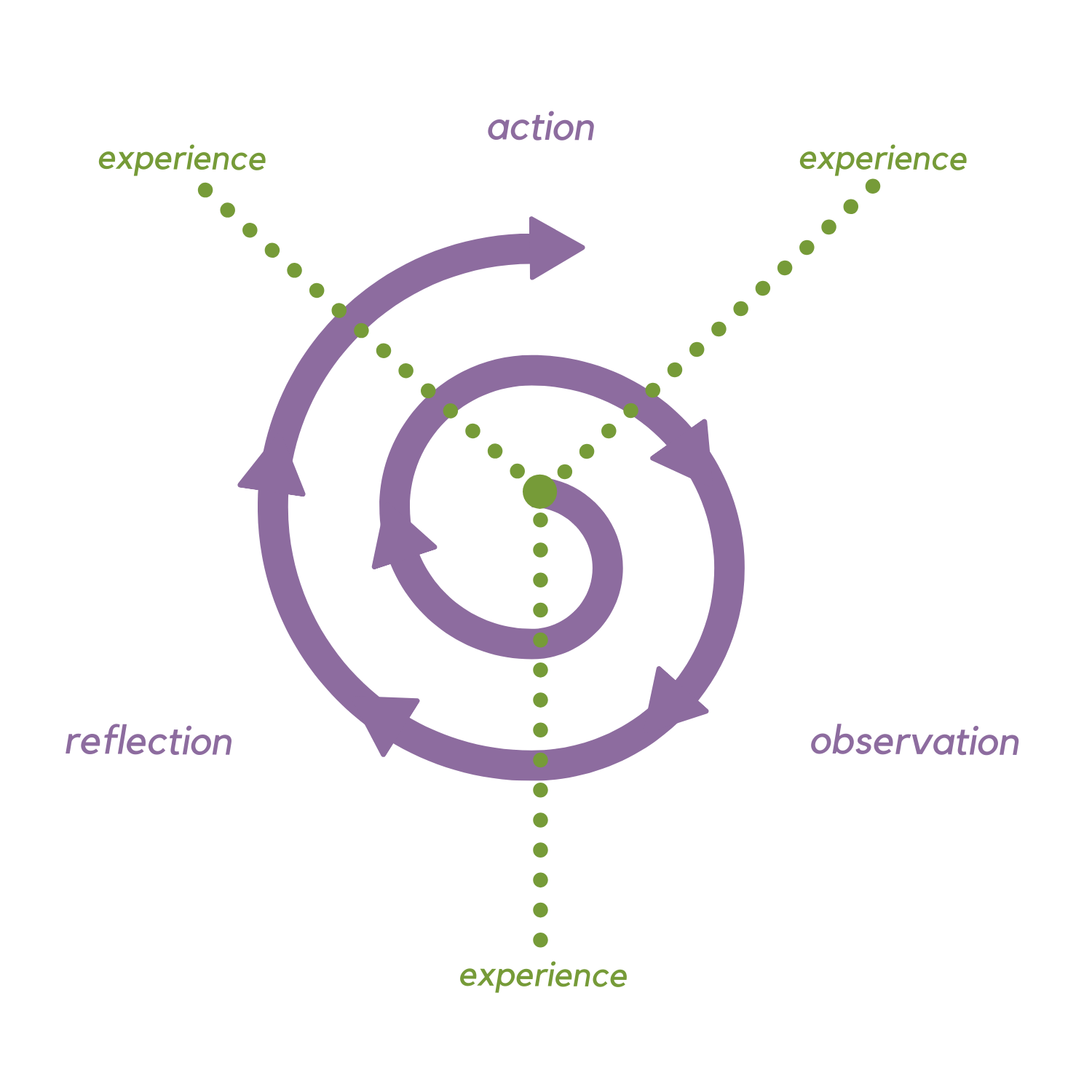
When found in a situation, we make decisions that lead to actions that have observable outcomes: both positive and negative. When reflecting on those outcomes we can refine our future decisions to achieve better outcomes.
Also, research into the psychology behind decision-making found that when we are under stress, we tend to make decisions based on our experiences; as opposed to when stress levels are lower when we have a natural inclination to explore analytical & creative solutions to our problems.
Self-reflection is a way of increasing your experience gained from every situation and ensuring that you can make the best possible decisions in the future.
However, despite academic research supporting the hypothesis that self-reflection can lead to a greater appreciation of self and improve your decision-making processes in common situations it is often overlooked or neglected. Talking to many people about reflection, a large number simply don’t know how to start so I have put together these simple steps for you to get started: if you follow along you’ll be taking a big step on your journey of reflection and self-improvement.
1. Don’t overthink it!
Self-reflection does not need to be a deep, emotional evaluation of oneself and everything going on in your life: although you can reflect on any aspect of your life, you should start simple and work your way to deeper thoughts and considerations.
Also, ensure that when completing a reflection you are conscious to finish with a sense of accomplishment; at a bare minimum: to have gained experience that you can apply to future situations.
Finally, there is a tendency to get “caught up in your feelings” while reflecting, but I encourage a more pragmatic approach. Try asking yourself;
- What did you do well?
- What could you do better?
- What adjustments do you need to make
2. Keep notes or (even better) use My Reflections
Reflection is best done close to the outcomes that you’re observing, but that’s not always practical: so throughout the day, I encourage you to take notes or adopt My Reflections so that you can come back and reflect in a more structured and meaningful way when you do have the time.
Using this approach will allow you to capture critical information related to the situation, decisions and their outcomes that can then be used for a more in-depth reflection or analysis at a more suitable time: I call then deep dives.
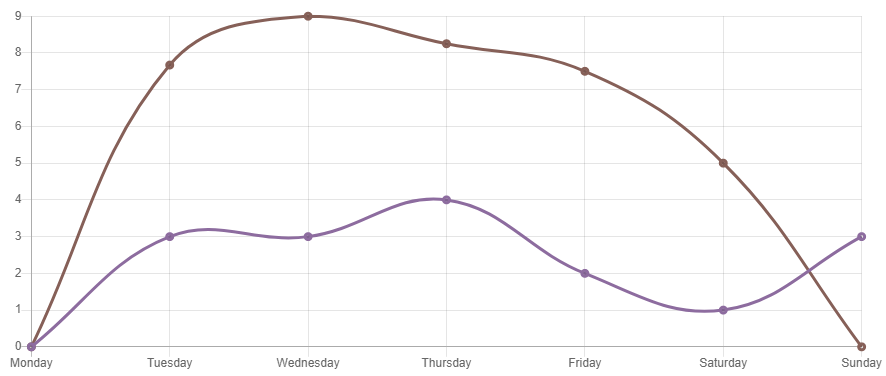
With My Reflections, you rate your “activities” along with highlights and lowlights and then conduct weekly reflections/deep dives where you can analyse information and trends from the past week and answer the same three questions above.
My Reflections also has a called “automations” that allows you to have reflections created based on your day to day life such as;
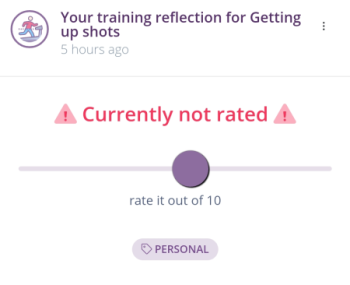
- Appointments/meetings from your calendar
- Tasks changing status/completed
- Complete a run or workout
Implementing these automations in your reflection habits can positively influence the way that you reflect because you will have reflection “triggers” to focus on during your reflection session and it takes the anxiety out of missing reflection opportunities throughout the day.
3. Fully commit to your reflections: the good, the bad & everything between
Do not fall into the trap of only reflecting on negative situations & outcomes; not only is it likely to bring your energy down, but there are also significant benefits to reflecting and adjusting positive outcomes too. Simply put, if an activity, project or event is significant to you or your career, then you should reflect on it: make that commitment to yourself!
Here are some examples of recent activities that I took the time to reflect on;
- Last nights sleep: with a one-year-old, this has become a regular point of reflection for me recently!
- A roadmap review
- An interview I did on “Living in the Philippines during COVID”
- A technical specification that I completed
These are not “deep” in nature and should be easy enough for anybody to start reflecting on similar activities in their lives.
4. Allow yourself the time to reflect
Try to be realistic about how much time you need to reflect effectively, as close to your activities as possible. It can be overwhelming to try to allocate time after every activity throughout the day, but you can start by;
- Identifying significant meetings or tasks and book time after them for reflection so you can’t be booked back-to-back for other meetings
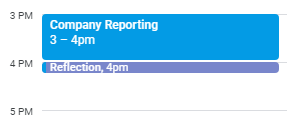
- Making use of your common “down-time” such as coffee breaks for reflection
- Considering your reflection an investment; if it means that you work or stay up 20 minutes longer, it’s a great investment in yourself and will likely save that time next week by making better decisions
If you can commit yourself to work on these four steps, you are going to be well on your way to building a great framework for self-improvement using your newly developed reflection habits.
Try the two-minute version tonight.
Reflecting is free, on iPhone, Android and the web. Professional has a 7-day trial.
Get the appKeep reading

Reflection practice
Two minutes on the plane
Write when the evening is real, not when the network is. Offline queue and sync keep the two-minute habit intact.

Reflection practice
Reading tone across a month of decisions
Sentiment is a mirror on how you wrote the month, not a score to game. Pair it with the reflections underneath.